May. 14, 2026
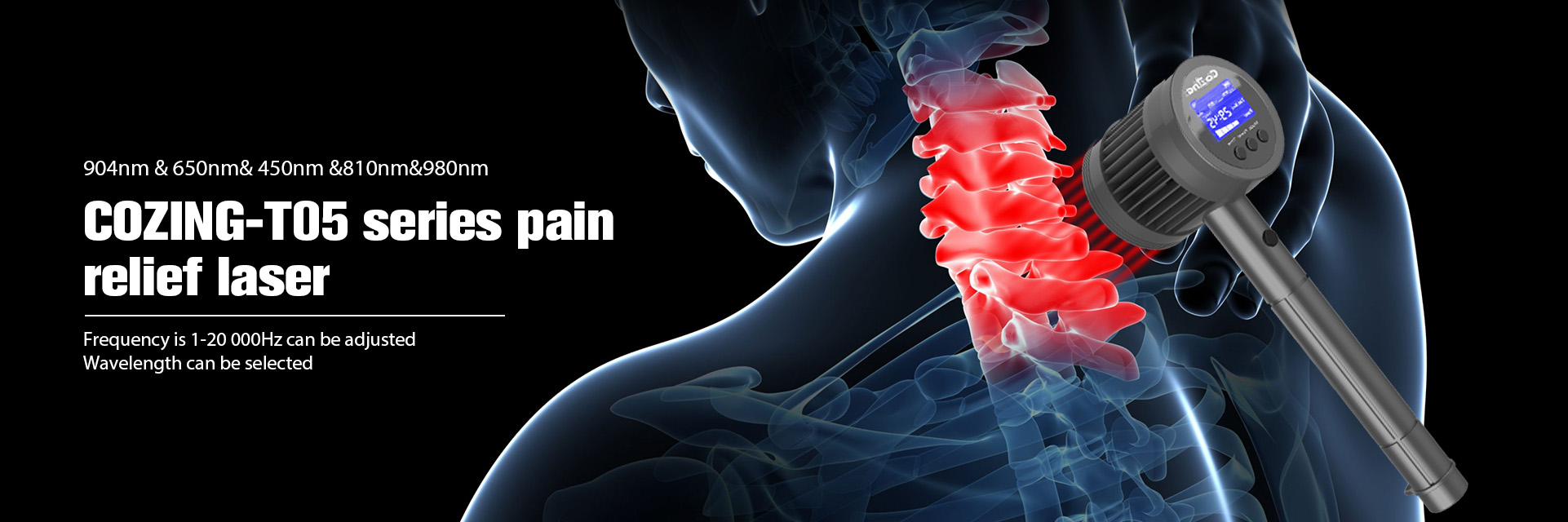
The helmet-style phototherapy device you described — with adjustable wavelengths (1050nm, 810nm, 660nm) and frequencies — is essentially an advanced form of Photobiomodulation (PBM) . While both tDCS and PBM are non-invasive brain modulation techniques, they differ fundamentally in mechanism and applications.
tDCS is like connecting a "tiny battery" to the brain to modulate neural excitability, while PBM phototherapy is like giving neurons an "energy recharge" and "restorative treatment."
Here is a direct comparison:
Feature | tDCS (Transcranial Direct Current Stimulation) | PBM (Photobiomodulation Therapy) |
Core Principle | Electrical modulation: Uses weak direct current (1-2 mA) to directly alter the resting membrane potential of neurons, changing their excitability (anodal excitation/cathodal inhibition). | Photobiomodulation: Uses specific wavelengths of red/near-infrared light absorbed by cytochrome c oxidase in mitochondria to boost ATP (energy) synthesis, modulate blood flow, and reduce inflammation. |
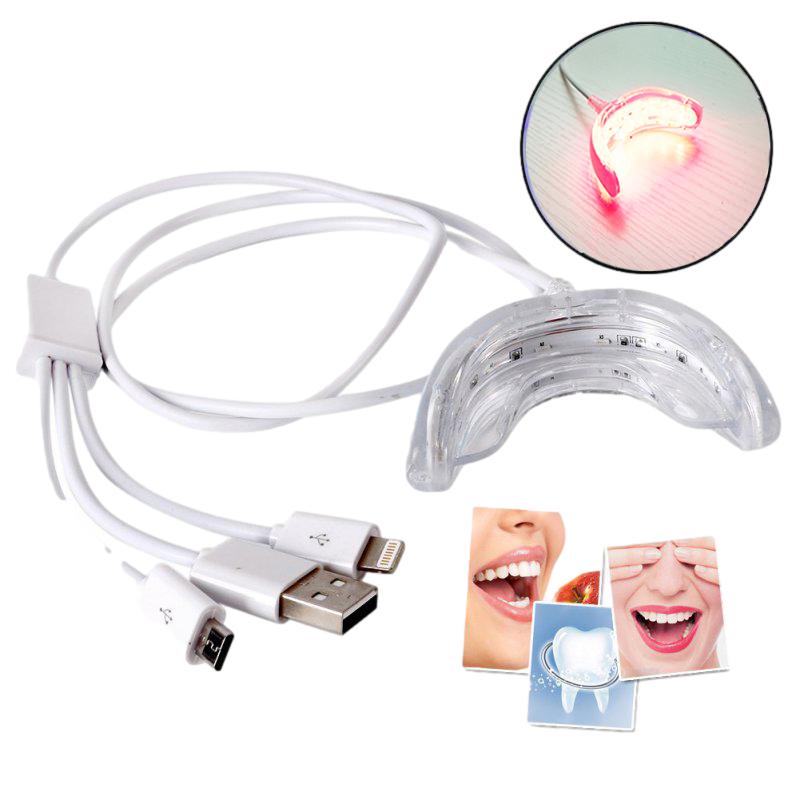
Carrier | Electric current, delivered via sponge electrodes (anode/cathode) on the scalp. | Photons, delivered via LED or laser diodes on a helmet or patch that shine through the skull. |
Wavelength | No wavelength concept. Intensity is measured in milliamps (mA). | Highly wavelength-dependent. Common wavelengths: 660nm (superficial), 810/850nm (penetrates skull), and 1064nm (deepest penetration). |
Frequency Modulation | Not applicable. tDCS uses constant direct current. | Meaningful. Pulsed light can be delivered at specific frequencies (e.g., 10 Hz, 40 Hz) to potentially entrain brain rhythms. |
Primary Action | "Modulation": Instantly changes the "working state" (excitation/inhibition) of specific brain regions, with lasting effects on neuroplasticity. | "Repair and Protection": Enhances cellular energy metabolism, improves local microcirculation, reduces inflammation and oxidative stress, thereby protecting neurons. |
Clinical Strengths | Low cost, portable, easy to combine with cognitive training ("online" stimulation), convenient for home use. | Non-invasive, gentle sensation, more diffuse effect, suitable for home rehabilitation, improves both cognition and mood. |
·
tDCS: Modulating the neuronal "switch"
tDCS uses a weak direct current to create a constant electric field across the scalp, altering the resting membrane potential of cortical neurons. It makes some neurons (near the anode) easier to fire and others (near the cathode) quieter. It's like gently pressing the "gas pedal" or "brake" on a specific brain region.
·
·
PBM: Recharging neuronal "energy"
PBM uses light. Near-infrared wavelengths (810nm, 1050nm) penetrate the skull and are absorbed by mitochondria — the cell's power plants. This absorption, primarily by cytochrome c oxidase, boosts ATP synthesis, releases nitric oxide to dilate blood vessels, improves blood flow, and reduces inflammation. This process "nourishes" and "repairs" neurons rather than directly modulating their excitability.
·
·
Wavelength selection determines "penetration depth" and "target":
·
o
660nm (Red light): Limited penetration, mainly affects scalp/superficial cortex. Used for wound healing and surface brain regions.
o
o
810nm (Near-infrared): A classic therapeutic window wavelength. Effectively penetrates the skull to reach the cerebral cortex. Widely studied for cognitive improvement.
o
o
1050nm (Near-infrared): Longer wavelength, deeper penetration. May reach deeper brain structures like the hippocampus or basal ganglia.
o
·
Frequency modulation enables "rhythmic" stimulation:
Unlike constant current tDCS, PBM can be delivered in pulsed mode, where the light turns on and off at a specific frequency. This frequency can mimic natural brain rhythms (e.g., 5 Hz for theta, 10 Hz for alpha, 40 Hz for gamma). Pulsed PBM may interact more complexly with the brain's electrical activity through a "light resonance" effect, though this remains an active research frontier.
·
·
tDCS excels at "precise functional modulation": In neurorehabilitation, such as activating a damaged motor area after a stroke or upregulating mood-related prefrontal cortex activity in depression, tDCS's direct current modulation is often the more direct choice.
·
·
PBM focuses on "neuroprotection and metabolic repair": For neurodegenerative diseases like Alzheimer's or Parkinson's, core problems include neuronal energy failure and chronic inflammation. PBM has unique value in slowing disease progression and protecting neurons by boosting mitochondrial function and improving blood flow.
·
·
tDCS is like a brain remote control: it uses electrical current to precisely adjust the "motivation" (excitability) of specific regions. Its strengths are speed and precision, ideal for situations requiring immediate functional changes (e.g., boosting cognition, treating depression, rehabilitation training).
·
·
LED Phototherapy (PBM) is like a cell phone power bank: it uses light to "recharge" neurons with energy and repair damage. Its strengths are nourishment and protection, ideal for long-term maintenance and repair of brain cell health (e.g., slowing neurodegeneration, treating chronic brain fatigue).