Jun. 10, 2026
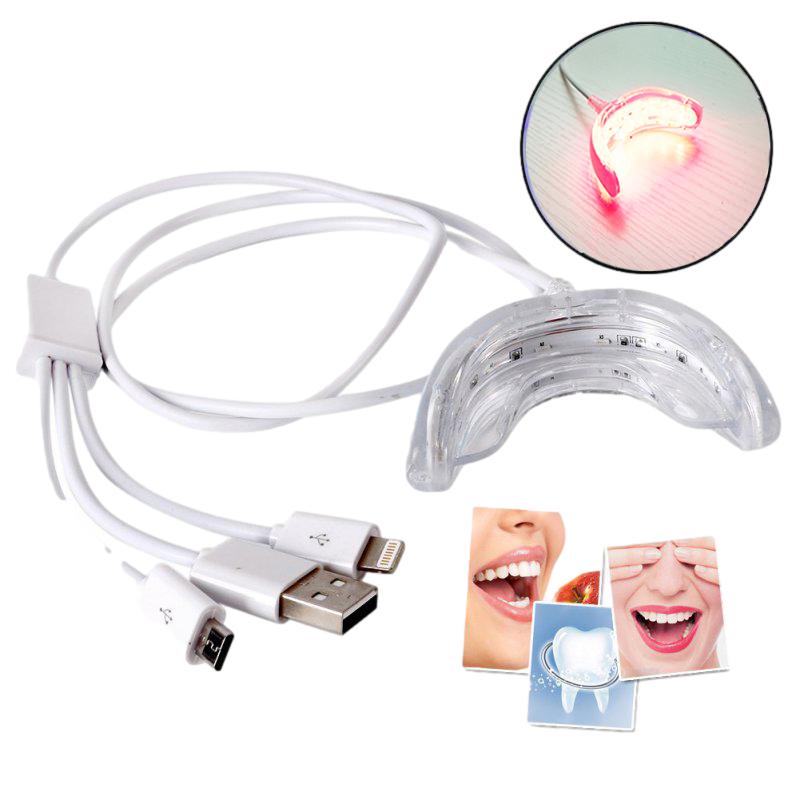
an 660nm & 850nm LED Light Therapy (20mW/cm²) Treat Gum Disease?Science, Protocol, and Critical Warnings Using 660nm and 850nm LEDs for photobiomodulation may help reduce gingivitis and promote gum tissue healing, but it cannot replace professional dental mechanical cleaning (scaling).
The combination of parameters you mentioned — 660nm + 850nm LED at 20mW/cm² — is very close to the effective parameters used in a 2025 clinical study. However, that study was primarily conducted on orthodontic patients. For treating existing gum disease, we need to consider this more carefully.
1. Scientific Principle: How Does It Work?
Gum disease (e.g., gingivitis, periodontitis) is primarily an inflammatory condition caused by dental plaque bacteria. The low‑power light therapy you described works mainly in two ways:
Photobiomodulation: Red light (660nm) and near‑infrared light (850nm) are absorbed by mitochondria in cells, promoting greater energy production. This accelerates tissue repair, reduces inflammation, and alleviates pain, helping damaged gum tissue heal more quickly.
Bacterial inhibition: Specific wavelengths can excite endogenous photosensitizers (such as porphyrins) inside bacteria, generating reactive oxygen species that kill periodontopathogens (e.g., Porphyromonas gingivalis) without causing bacterial resistance.
2. Treatment Protocol: How to Apply It?
There is currently no standardized home‑use protocol for 20mW/cm² intensity. However, we can refer to a 2025 clinical study that used the same wavelengths (660nm+850nm) at a similar intensity (16mW/cm²) and demonstrated effectiveness:
Treatment regimen: After professional scaling, the LED device was applied twice a week for 4 weeks. This regimen was shown to reduce gingival inflammation and the incidence of gingival hyperplasia.
Practical recommendations:
Core prerequisite: You must first visit a dentist. Light therapy is currently defined as an adjunctive treatment — it can reduce post‑procedural sensitivity and promote healing, but it cannot remove already formed dental calculus. Only professional scaling and subgingival curettage can address the cause.
Application: After professional treatment, you may try applying the device to the inflamed gum areas. Based on study data, each session may last several minutes, but the exact duration depends on your device's total output power and the area being treated.
3. Important Cautions: Limitations of This Approach
Although light therapy shows promise, it cannot solve all problems:
It is not a substitute for scaling: This is the most critical point. Light therapy cannot remove existing dental calculus. If you do not remove the calculus first, the effect of light therapy will be very limited, and the condition is likely to recur.